
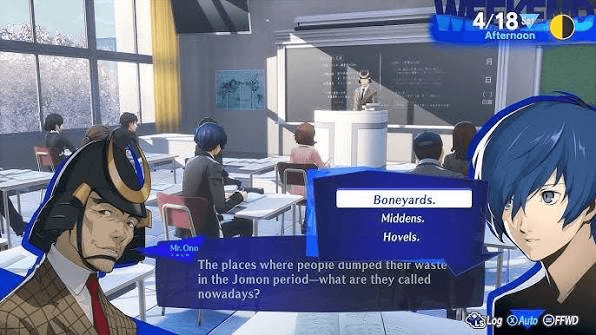
Persona 3 is a landmark entry in the Shin Megami Tensei: Persona series, mixing JRPG elements with simulation and a heavy dose of existential storytelling. For some players, it brought a refreshing sense of immersion and challenge; for others, it became a point of frustration or even burnout. “Dumped Persona 3” means different things depending on where you look: some people stopped playing at tough sections, others went to online spaces to debate endings or spread fan theories, and a few found moments in the narrative itself where characters literally or emotionally “dump” something significant.
If you’re considering picking up Persona 3, revisiting it, or simply interested in community behavior, here’s what you need to know about the places, both real and digital, where people discuss, analyze, and sometimes leave behind this unique game.
Where Players Stopped Playing Persona 3
Every role-playing game creates natural drop-off points, and Persona 3 is no exception. Understanding where and why can help you plan your own playthrough or guide new players.
Most people who “dumped” Persona 3—meaning they set the game down and didn’t return—did so at clear friction points. For example, the first major boss in Tartarus, the game’s central dungeon, often surprises players with an unexpected difficulty spike. If you haven’t prepared by leveling up or optimizing your party, it can feel punishing.
Later on, the bosses in Full Moon events (especially the Hierophant and Lovers duo) are notorious for catching new players off guard. They require you to adjust your tactics and seriously manage resource use. It’s common to read online that a player burned out after getting stuck at these stages.
Outside of boss battles, Persona 3’s social simulation can lead to fatigue. Some newcomers expect a shorter story and are caught off guard by the full year-long structure. Keeping up with Social Links, schoolwork, and time management may become overwhelming, causing some to quietly step away in the fall semester section of the game.
The game’s save system also presents a challenge. Persona 3’s limited save points mean losing significant progress if you’re knocked out in a dungeon. For busy professionals or side hustlers who value their time, this alone is sometimes a deal-breaker.
If you’re troubleshooting why you—or someone you know—put the game down, start with the major bosses, time management, and the long runtime. These are genuine barriers, and it often helps to look up guides or play on an easier mode before trying again.
Online Spaces for Persona 3 Discussions
If you step away from the controller but still want to engage, countless players go online to talk Persona 3. Many of those who “dumped” the game as players remain invested as fans or critics in digital communities.
Reddit is arguably the most popular gathering place. The r/Megaten and r/Persona3 subreddits run ongoing threads about strategies, favorite character builds, and finer points of the story. Notably, topics like hypothetical “third-tier Personas” for the main cast draw out debates and creative wish-lists, even years after the game’s initial release.
GameFAQs forums also have an enduring archive of walkthroughs, boss tips, and “stuck on this part” rescue threads. Users swap hints, vent frustrations when they hit walls, and sometimes leave advice for players who “dumped” their run at the same spot you did.
Some fans gather on Twitter (now X), using hashtags like #Persona3 to share artwork and quick reactions to game news or remakes. Dedicated Discord servers exist for Persona discussions, ranging from spoiler-free zones for newcomers to deep-dive theory channels for veterans. These are the best places to ask about mechanics, get recommendations for which Social Links to prioritize, or find encouragement if you’re struggling to finish the game.
On each platform, you’ll see patterns: players often discuss which section made them step away, but just as frequently, they return when they see new theories or updated content.
Fan Contributions and Content Shaping Persona 3 Discussions
Persona 3 inspires a wide range of creative output and is a frequent subject for in-depth analysis by both fans and critics. This content helps shape the ongoing conversation and sometimes even brings old players back for another run.
You’ll commonly see long-form essays on YouTube or Tumblr, breaking down the game’s philosophical questions or comparing character story arcs. Some writers focus on specific mechanics, like why Tartarus feels tedious midgame or how Persona fusion works. Others post comparisons between different versions, such as FES, Portable, and the more recent Reload, weighing pros and cons for new buyers.
Artwork and comics remain strong pillars of the community. Tumblr, Twitter, and Pixiv host fan drawings of favorite moments or “what if” scenarios. For players who stopped playing, stumbling across compelling fan art or an insightful comic sometimes sparks just enough curiosity to make them pick up their save file again.
In-depth theory threads—about hidden symbolism, unused content, or alternative endings—offer another potential rabbit hole. Even those who don’t finish the game often find themselves engaging here, working through themes of loss and acceptance well after closing the game.
If you’re looking to keep your enthusiasm fresh, consider sharing your own art, writing, or ideas. The Persona fandom is generally welcoming, and your perspective may even encourage others who have set the game aside.
Narrative Elements Inside the Game
Sometimes, “dumped” Persona 3 refers not to player behavior but to important moments within the game’s story. Persona 3 explores abandonment and loss both thematically and literally through its cast.
Characters experience personal loss in several forms: family tragedies, friendship breakups, or moments when they give up on past dreams. The repeated trips to Tartarus to fight Shadows represent the ongoing struggle with accepting pain and uncertainty. In the narrative, items like old letters, trinkets, or mementos are left behind by characters to symbolize moving forward—or letting go.
A powerful example comes when one of your party members decides to quit the group for personal reasons. This decision, and the resulting fallout, is designed to make you consider questions of commitment and detachment. These plot points resonate with many players, especially those who’ve stepped away from projects or relationships themselves.
Other in-game “dumps” involve choices about which Social Links you ignore or relationships you don’t pursue. Unlike many games, Persona 3 expects you to miss some opportunities; the story doesn’t punish you for not maximizing every feature. This mirrors how, in real life, you sometimes must set aside certain paths to truly move forward.
Recognizing these narrative choices can help ease the guilt of not finishing every quest or fighting every boss. Persona 3 is deliberately built to explore the tension between holding on and letting go.
How Community “Dumping” Affects Persona 3’s Legacy
People abandoning or discussing Persona 3 in many places is not a sign of weakness in the game. Instead, it reflects how strong and complicated its pull can be. The frustration that drives one person to set it aside is often what inspires another to write an in-depth analysis or draw fan art. These community responses, whether critical or celebratory, enrich the ecosystem around Persona 3.
From an entrepreneurial view, Persona 3 offers a concrete lesson about customer experience and pain points. Players “dump” projects not only because they lose interest but sometimes due to design choices, unmet expectations, or personal limits on time and focus. Recognizing these moments helps you build better products, manage support, and foster resilience in your business.
In some ways, Persona 3’s persistent discussion spaces mirror how business owners keep evolving their processes. When one approach no longer works, people gather to brainstorm, share stories, and adapt strategies. If you see high churn or drop-off in your business, study patterns the way Persona fans study bosses and bottlenecks—adjust your design, gather community input, and re-engage those who left.
If you want to see this process in action, check out entrepreneur forums or small business resources like GenBusinessLab, where you’ll find similar threads about product “dumping” and renewal. Staying proactive, gathering feedback, and iterating your approach is as relevant for games as it is for side hustles and startups.
Conclusion: Revisiting the Many Places People “Dumped” Persona 3
“Dumped Persona 3” can mean giving up in the face of a tough boss, pausing due to time management stress, shifting focus to vibrant online communities, or finding unexpected meaning in the game’s narrative of loss and perseverance. Each option reflects a real decision point—not a failure, but a moment of learning.
When approaching Persona 3, set aside time to assess your own goals and limits. Will you play for the story, the strategy, or the community experience? If you “dump” the game, do so with intention and maybe return later—you may find value in community discussions, fan content, or even in the act of quitting itself.
The broader lesson is that abandoning a project or pausing progress—either in business or games—is natural and often temporary. Gather feedback, seek support where it exists, and view each “dumped” effort as a step toward improvement. Persona 3’s community endures because it welcomes both active players and those pausing for reflection. You may want to draw from both mindsets as you chart your next steps, whether in gaming or entrepreneurship.
Also Read This: