
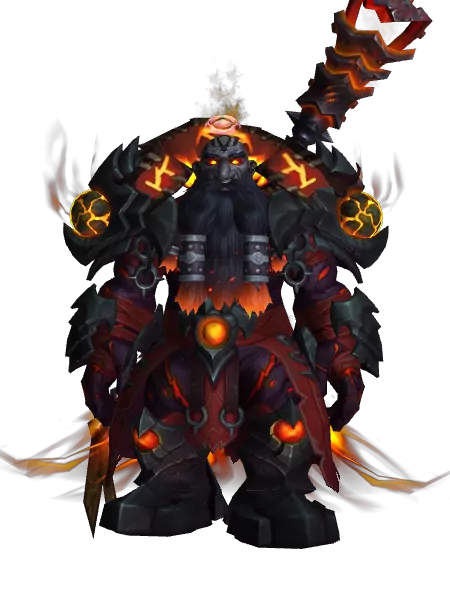
If you are seeking a playable race in World of Warcraft with a fiery history and a distinctive style, the Dark Iron dwarves may stand out among your options. This clan, known for its tough demeanor and magical skills, adds depth to both gameplay and lore on the Alliance side. Here’s what you need to know before choosing to play—or work with—these sometimes misunderstood dwarves.
Origins and Clan History
Dark Iron dwarves originated as one of Ironforge’s three founding clans, along with the Bronzebeard and Wildhammer dwarves. In the early days, they held secretive roles, excelling as spymasters and experts in arcane magic deep below the city. Their leader, Sorcerer-Thane Thaurissan, built a power base around secrecy, magic, and political intrigue.
The clan often took on the “shadow jobs,” handling matters too risky or sensitive for the public eye within Ironforge. If you like characters with a troubled, mysterious background, this history sets the tone for many Dark Iron choices and attitudes in-game.
War of the Three Hammers
Conflict broke out after the death of King Modimus Anvilmar. The Bronzebeard, Wildhammer, and Dark Iron clans each wanted to rule Ironforge, which led to the War of the Three Hammers. Thaurissan’s ambition pushed the Dark Irons into direct war for power. They lost that struggle, were exiled, and—driven by desperation—tried to reclaim their place by summoning a powerful being.
Thaurissan’s plan backfired tremendously. Instead of a weapon to ensure victory, he brought Ragnaros the Firelord into Azeroth. The arrival created Blackrock Mountain and enslaved the Dark Iron dwarves, binding their future to fire and shadow.
Encounter with Ragnaros
Ragnaros’ explosive entrance changed everything. With Shadowforge City as their new capital, the dwarves endured harsh new living conditions and elemental magic from their cruel master. Their society, forged in fire and necessity, valued toughness, secrecy, and magical aptitude even more.
You see these traits play out in their architecture, crafts, and even in their physical changes. Over time, exposure to fire and dark iron mining made them nearly immune to extreme heat. This legacy is front and center in their playable race traits and racial abilities.
Clan Dynamics and Internal Divisions
Serving Ragnaros left the Dark Irons with a hard reputation. Many in-universe NPCs describe them as treacherous or power-mad. Their actions under Ragnaros—raids, sabotage, and wars—cemented this impression with both allies and enemies.
However, you shouldn’t view all Dark Irons as villains. Internal splits grew as some clung to the old ways and others, especially those following Moira Thaurissan, wanted freedom and hope for the next generations. Moira’s leadership would soon guide the clan on a new path, influencing both lore and gameplay options in World of Warcraft.
Political Integration into the Alliance
After Ragnaros’ defeat, Moira Thaurissan returned to Ironforge, determined to claim a seat for the Dark Irons despite distrust from Bronzebeard and Wildhammer dwarves. Negotiations, sometimes tense, eventually led to the Council of Three Hammers—one representative for each major clan.
You benefit from this alliance as a player: the Dark Irons are now integrated as an allied race for the Alliance and have a permanent place in Ironforge’s political system. This shift didn’t erase all old grudges or suspicion, but it did start new storylines, both in terms of lore and in player campaigns.
Physical Traits and Abilities
When you create a Dark Iron dwarf, expect them to stand out visually and functionally. Their physique is shaped by underground living and elemental influences, making them somewhat less bulky than other dwarves.
Skin tones run from ashen grays to dark, volcanic shades—reflecting their time beneath Blackrock Mountain. Hair tends to be white, black, or orange, often glowing or smoldering at the tips. Their eyes glow like hot embers, hinting at the fire running through their veins.
These physical changes are practical, too: Dark Irons adapt well to volcanic heat, handle fire attacks better than most, and recover from poison or magical harm more quickly. This elemental link is central to the way you play them, both in story and on the battlefield.
Cultural and Magical Expertise
Few dwarven clans match the Dark Irons in their grasp of arcane magic and craftsmanship. They have a centuries-long tradition of spellcasting and creating enchanted tools—fueled by both skill and necessity.
If you value expertise, Dark Irons offer plenty of it. Their blacksmiths and engineers are famed for working with dark iron metal, a substance resistant to heat and perfect for powerful weapons or machinery. Expect many of their items to feature enchantments, runes, or fiery motifs.
You may also notice their settlements and gear look different. Structures are sturdy and practical but also intimidating, suited to the hazards of volcanic life. Everything is a little darker, tougher, and more fireproof.
Personality and Perception
The personality of a Dark Iron dwarf often falls somewhere between fiery ambition and survivor wisdom. Other dwarves tend to view them as manipulative or difficult to trust, but this reputation may be unfair—many argue that the worst traits developed while under Ragnaros.
In recent stories and expansions, writers shift the narrative: Dark Irons aren’t just villains. Instead, they’re working toward acceptance, trying to redeem themselves without giving up their edge. For players, this tension creates rich opportunities for storytelling, whether you role-play an honorable craftsman or a crafty, morally gray magician.
Gameplay and Role-Playing
When you select a Dark Iron dwarf as your main character, you open unique opportunities. Their racial abilities provide resilience against fire attacks, a skill to purge harmful effects, and, quite usefully, a fast way to access outdoor “Mole Machine” portals.
These skills directly reflect lore—the fire resistance and cleansing come from their time near Ragnaros, while the Mole Machines recall their underground lifestyle. You gain practical benefits in both PvE and PvP settings, especially where fire or status effects threaten your group.
Dark Iron dwarves are a great fit for classes that match their magical history and subversive traditions. Warriors, warlocks, rogues, mages, and priests all work well, though you can find story hooks for nearly any class. Use the clan’s reputation for cunning or survival as a foundation for your character’s motivation and identity.
If you like immersion, try connecting your character’s backstory to events in Blackrock Mountain, or to Moira’s quest for respect and fairness. This approach gives depth to your gameplay and creates more engaging group stories.
Ongoing Challenges and Contributions
Even today, Dark Irons face ongoing trust issues among the Alliance. Some folk still remember past conflicts or view them as a risk. Moira’s leadership, political savvy, and willingness to bridge old feuds may ease this over time, but expect that cultural change is slow.
If you enter a guild or work as a side hustler within World of Warcraft’s economy, set aside time early to clarify any cultural or reputational risks. Document your background and update your social hooks to align with your goals—especially if your role-playing group cares about in-game politics.
The Dark Irons keep contributing to the Alliance, supplying unique blacksmithing patterns, powerful enchantments, and useful engineering solutions. Their experience surviving adversities, combined with their inventive mindset, makes them valuable in any long-term campaign or business inside Azeroth.
Best Practices for Playing or Building with Dark Iron Dwarves
– Research your class options and confirm which racial traits best fit your play style or group needs.
– Separate personal lore goals from gameplay if you are building a business or offering event services.
– For role-playing, structure your background: consider how your character views Moira’s leadership and how much they trust other clans.
– Use in-game resources or third-party guides; check out this useful resource if you need business, compliance, or documentation support on your WoW journey.
– Be honest about your time investment; Dark Irons require some learning, especially with their distinct play style and history.
– Join or build communities that are open to complex, flawed, but ultimately optimistic characters—this is where Dark Irons shine.
Conclusion
Dark Iron dwarves have transitioned from secretive outcasts to valuable allies with an edge. Their story highlights hard choices, internal disputes, and the struggle for acceptance, offering you plenty of ground for memorable characters and gameplay. The blend of fire-infused resilience, magical expertise, and tough negotiation skills makes them a pragmatic choice for anyone seeking both challenge and opportunity.
If you’re ready to set aside preconceptions and bring a well-documented, lore-friendly character to your next campaign or in-game venture, Dark Irons offer depth and flexibility. Whether building a business, seeking alliances, or looking for a new twist in your game, you may find that their lessons in survival and adaptation apply just as much outside Azeroth as within.
Also Read This: