
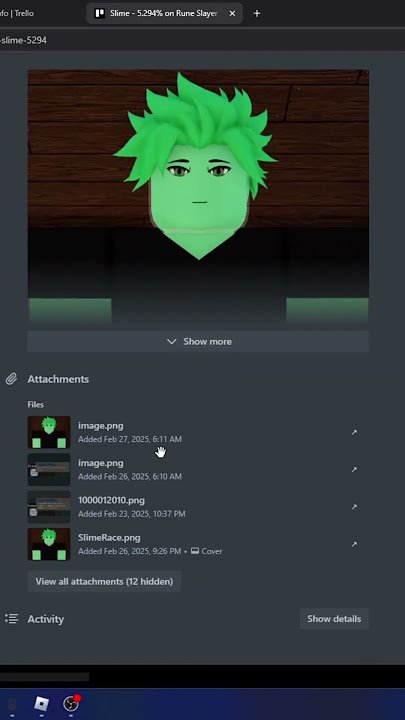
Rune Slayer Trello is a popular reference tool for Roblox players. If you play Rune Slayer or plan to, you will find this resource frequently mentioned in guides, Discords, and player communities. The Trello board breaks down key topics—in-game mechanics, classes, races, equipment, and more—into organized cards. If you want to progress quickly, understand mechanics, or plan a powerful build, knowing how to use this board is a real advantage.
It’s important to know that Rune Slayer Trello is not run by the game’s developers. Instead, it is a community effort by dedicated players. Most serious players and creators turn to it first when they need answers but are careful about relying on it exclusively.
Understanding Its Unofficial Status
You may read guides calling this Trello board “official” or “the main wiki.” That’s misleading. According to most sources—including the board itself—Rune Slayer Trello is a fan-driven project. The developer team is not involved. A small group of experienced admins reviews, approves, and updates cards. Publicly, posts and Discords refer to it as “unofficial.”
This difference matters. If the game updates or mechanics change, there can be a delay before you see corrections on the board. Always cross-reference information before making big in-game decisions. Think of it as a high-quality reference, not the rulebook.
What Rune Slayer Trello Includes
If you set aside 10-15 minutes to scroll the board, you’ll see it covers almost every question a new or returning player asks.
Game Mechanics
You’ll find cards on health, mana, hunger, and experience. These lay out how your character survives, advances, and what impacts performance. For clarity, mechanics are separate from classes and races; think of them as baseline rules that apply to everyone.
Races and Species
Rune Slayer offers several playable races. Each has its own strengths, weaknesses, and rarity—some races roll much less often than others when you create a character. The Trello documents these odds and stats. If you want a rare build, study this section to save time before rerolling.
Classes and Subclasses
One of the most referenced sections is classes. Each class has a different role, damage output, defense, and requirements. Subclasses allow deeper specialization once you reach specific milestones. You’ll see information on unlock levels, necessary quests, and sample skill descriptions.
Weapons, Tools, and Items
The board catalogs swords, staves, bows, armor sets, food, and utility items. Each has a card with stats, effects, and often, a note on where to get it. If you’re looking to gear up or min-max, these cards help you plan next steps.
Runes
Runes are a signature mechanic. The Trello sorts these by type (Normal, Lesser, Greater) and effect. You’ll see buffs, status changes, and how runes interact with builds. This is essential reading if you want to maximize potential or strategize for higher-level play.
NPCs, Mobs, and Bosses
This section lists all major enemies, bosses, and notable non-player characters. Each card usually has location info and sometimes strategy tips contributed by high-level players. Newer players use this to avoid tough areas—or challenge themselves early.
Quests and Locations
Quest cards summarize requirements, rewards, and necessary items. The map and locations section is handy for figuring out where things are. If you get stuck, you can use this to plot your route.
Factions
The game has in-world factions with different goals. Trello details their relationships, requirements, and mechanical impact. If you’re building toward a faction goal, pay close attention here.
Known Issues
A unique feature: there’s a section for bugs, glitches, and edge cases. Players report problems, and admins add explanations or work-arounds if possible. This is especially useful after updates or if something seems broken.
How to Use the Trello for Better Gameplay
- Learning and Onboarding
If you’re new, start with sections on game mechanics, races, and basic classes. This gives you a framework for how Rune Slayer expects you to play. Think of it as your “user manual”—you don’t have to read it all at once, but reviewing early can prevent mistakes later. - Planning Builds and Strategies
For many players, Trello is central to build planning. Compare class damage profiles, see which runes synergize with specific weapons, and decide where to allocate your first skill points. If you’re chasing a rare race or class, look up the reroll rates and prerequisites before grinding. - Efficient Searches and Navigation
You may feel overwhelmed by the number of cards. Most users recommend using your browser’s search (Ctrl+F or Trello’s “F” key) to skip straight to what you need. For example, type “rune” or “knight” to see every related card at once. If you’re stuck on a quest or boss, searching the NPC or location name usually leads you straight to a tip.
You do not need to make an account or log in. All info is public read-only. Only admins can edit, which helps limit vandalism and keeps things accurate.
Assessing the Reliability and Limitations
No resource is perfect. Here’s what you need to know:
– The information is regularly fact-checked by experienced players and admins.
– Many foundational cards were created by early testers or people who mapped the game after launch.
– Since Trello is unofficial, big updates or hotfixes may create gaps or outdated entries after the patch hits.
– Most cards list the game version at the top to help you spot outdated info. Always double-check dates, especially if a stat or quest requirement seems strange.
– Only admins can edit. If you spot an error or new bug, your best move is to report it on Discord or use any linked feedback form.
– Even with these limits, almost every guide treats this Trello as the best general reference for Rune Slayer today. There is no official, developer-maintained alternative in 2024.
Other Resources: Discord, Wiki, and Link Collections
The Trello fits into a broader set of tools used by serious players.
Official Discord Server
The game’s Discord is the only official information channel. New patches, bug announcements, and special events appear here first. However, Discord’s format means tips can get buried in chatlogs. That’s why many people read Discord for current events, but rely on Trello for static information.
Community Wiki
There’s a community wiki which sometimes copies or expands on Trello’s content. If you like reading longer articles or prefer a traditional wiki layout, this helps. The wiki also collects feedback, bug threads, and reference links to both Trello and Discord.
Third-Party Gaming Sites
Sites like Sportskeeda and others update Trello links in their Rune Slayer hub pages. They often summarize mechanics or highlight major updates, then refer you back to Trello for the latest specifics. For a more business-focused perspective on organizing player resources efficiently, see what other titles do, or check project management case studies at GenBusinessLab.
Tips for Getting the Most Value
To reduce mistakes and use your time wisely, follow these suggestions:
– Check card update dates, especially after big updates or resets. Avoid relying on year-old info for new grinds.
– Use browser search to skip long scrolling. This is the quickest route to targeted details.
– Don’t rely on Trello as your only news source. Combine it with Discord for patch notes and with the wiki for context.
– Be aware that some planned content, especially new races or item buffs, may appear on Trello as teasers before they’re live in-game. Always confirm availability.
– If you spot inconsistencies or need clarification, ask in Discord channels or use the board’s public feedback instructions. While you cannot edit directly, admins often update after valid reports.
Conclusion: Why Use the Rune Slayer Trello?
Rune Slayer Trello stands out as the most detailed, up-to-date public resource for the Roblox game. It is community-driven, unofficial, and not without flaws—but careful use will give you an edge. Whether you want to compare classes, map a quest route, or avoid known glitches, you’ll find the basic answers here first.
Be sure to use it as a foundation. Combine it with official Discord news and your personal gameplay experience. If you’re a planner, set aside time before grinding or rerolling to review your desired build’s requirements. If you contribute feedback or corrections, you help keep the resource valuable for everyone.
In summary, Rune Slayer Trello is the central player-made guide for a complicated and evolving game—just make sure you check for updates and use other channels to fill in the gaps. This approach reduces risk, speeds up learning, and makes your playing—and potential business—decisions better informed.
Also Read This: