
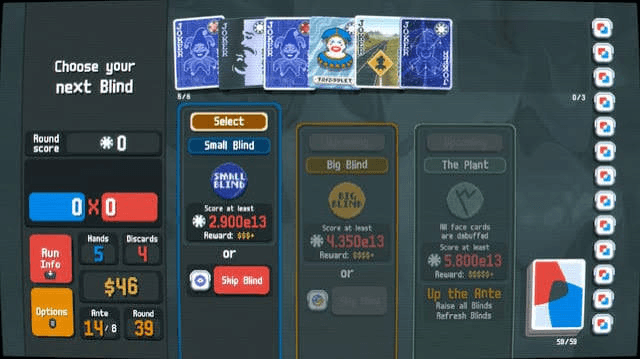
If you’re looking to improve your Balatro runs and multiply your rewards, mastering Double Tags is essential. Double Tags do more than just boost a single payout—they let you stack big gains if you use them strategically. Here’s what you need to know to get the most from Double Tags, regardless of your deck or playstyle.
Introduction to Tags in Balatro
Let’s start with the basics. In Balatro, every time you choose “Skip Blind” instead of playing out a Small or Big Blind, you’re given the chance to claim a Tag. Think of Tags as bonuses. They offer a range of immediate and sometimes game-changing effects, from extra cash or free packs to special shop perks and more.
Tags are a core part of risk management. There are 24 distinct Tags in Balatro, and knowing what each can do—even if you use only a handful in most runs—builds your decision-making confidence. Skipping a Blind isn’t always the popular choice, but with the right Tag waiting, you’ll often come out ahead.
Explaining the Double Tag Mechanism
A Double Tag doesn’t reward you instantly. Instead, it stores its effect until the next time you select a Tag by skipping a Blind. The key thing: it applies to the next non-Double Tag you choose. When that happens, you receive extra copies of that Tag’s effect, as if you grabbed the same bonus more than once.
For example, suppose you have one Double Tag. If you next select the Ethereal Tag, which typically gives you one Spectral Pack, you now get two Spectral Packs instead. This ability to stack and delay reward payout is central to high-level Balatro play.
How Double Tags Influence Subsequent Tags
Here’s where Double Tags stand out. The moment you pick up a Double Tag, it quietly waits—does nothing right away. Its power kicks in the next time you claim a reward Tag that isn’t itself a Double Tag. All stored Double Tags trigger at that moment, multiplying the payoff.
This mechanism isn’t complicated in practice, but it does require discipline. Choosing to skip immediate rewards in favor of stacking Double Tags rewards patience and precise timing. There’s no pressure to use a Double Tag right away—it stays ready, even across several Blinds, until you find a Tag worth doubling or tripling.
Storing and Using Double Tags: What You Need to Know
A common question is when Double Tags actually take effect. The answer is simple: only when you claim a non-Double Tag after having stored one or more Double Tags. Every Double Tag you’ve banked adds one more copy of that next Tag’s reward.
Let’s look at a scenario. You skip two Blinds in a row and both times claim a Double Tag. Then, on the next Blind, you select the Rare Tag, which gives a free Rare Joker. Thanks to the two Double Tags, you instantly get three Rare Jokers instead of one.
You don’t have to worry about Double Tags expiring or disappearing before you use them. They remain active between Blinds until you finally select a non-Double Tag. This flexibility gives you room to plan for ideal combos.
Persistence of Double Tags Across Multiple Blinds
Another strength of Double Tags is their persistence. If you acquire one or many, you can wait as long as you like before cashing them in. You aren’t locked into using them on the next Blind. Instead, you decide when the multiplier effect triggers, letting you scout out more Blinds for a really high-value Tag.
The takeaway: set aside time early in your run to collect Double Tags if you want to maximize a future Tag’s impact. Don’t settle for the first mediocre Tag. Patience can set up huge spikes in power.
Stacking Multiple Double Tags for Greater Benefit
You may also stack Double Tags, meaning you can collect several before activating their effect. Each additional Double Tag gives you another duplicate of your next Tag’s reward. That means significant, exponential gains if you use the right strategy.
Here are some examples:
– With 1 Double Tag: Next non-Double Tag gives you its reward twice (original + 1 extra).
– With 2 Double Tags: Next Tag gives its reward three times.
– With 5 Double Tags: Next Tag gives its reward six times (this turns decently rare rewards into a flood of bonuses).
Consider these use-cases. If you spend the effort collecting five Double Tags, then trigger the Ethereal Tag, you get six Spectral Packs instead of just one. This can shift your entire game, especially on harder difficulties or in deck-building runs.
Examples of Outcomes with Stacked Double Tags
Suppose your strategy is built around multiplying pack rewards. If you use Double Tags on:
– The Ethereal Tag (normally grants 1 Spectral Pack): Six Spectral Packs at once can fill your deck with powerful cards, opening wild upgrade combos.
– The Polychrome Tag (normally 1 Polychrome Joker): Suddenly, you’re holding a table full of top-tier Jokers.
– Money or booster pack Tags: Huge windfalls fuel immediate buying sprees or massive deck accelerations.
These multiplications lead to unique, powerful turns. When everything hits, it can feel like a full reset for your run’s possibilities.
Constraints and Considerations: What Double Tags Can’t Do
Transparency about limits matters. Be aware that Double Tags only amplify non-Double Tags. If you pick another Double Tag while holding one or more, nothing special happens—the effect waits until a valid Tag appears.
You can’t double or triple another Double Tag. In effect, each Double Tag is just a ticket to multiply the *next* different Tag.
Be sure to document your game plan and stay attentive. Opening a Tag menu and claiming a lower-value Tag by accident can waste all your stored Double Tags. Setting clear goals for which Tag you plan to multiply helps avoid this risk.
Consistency of Double Tag Effects over Time
No matter how many Blinds pass, Double Tags stay queued up. Whether you wait two minutes or twenty, you can save them for a critical moment. This long-term consistency makes Double Tags a valuable resource in tough runs.
If you ever wonder if a game feature will change unexpectedly, these mechanics have shown themselves stable through many updates. This reliability underpins smart Tag planning.
Visual Characteristics of Double Tags
You’ll spot a Double Tag by its icon: two overlapping squares, colored red and blue. This icon appears next to the Skip Blind selection when available, so keep an eye out. The art is distinct from other Tags, making it hard to mistake.
If you use special starting decks, the Anaglyph Deck stands out for Double Tag enthusiasts. It awards you a Double Tag automatically after every Boss Blind. This creates chances for you to hoard multiple Double Tags, multiplying later mid-run rewards manyfold.
Special Decks That Feature Double Tags: The Anaglyph Deck
The Anaglyph Deck is your friend if you want to play with heavy Double Tag stacking. Each Boss Blind grants a free Double Tag automatically—no extra risks needed. By planning ahead, you can finish a run with five or more Double Tags available for a giant, game-breaking reward.
Combining deck perks like those in the Anaglyph Deck with the persistence of Double Tags leads to wild endgame payoffs. It’s not uncommon to see runs where a dozen or more free packs or huge cash paydays drop at once.
Strategy Tips for Double Tag Utilization
Double Tags reward careful setup and patience. Here are practical, step-by-step guidelines:
– Collect Double Tags Early: Focus on storing Double Tags before you claim high-value Tags. That way, when a great Tag appears, you multiply its benefit manyfold.
– Aim for the Strongest Tags: The best Tag choices for multiplication include Ethereal Tag (Spectral Packs), Polychrome Tag (Polychrome Jokers), and high-money or booster pack Tags. These produce the biggest spikes if multiplied.
– Be Patient and Planful: Since Double Tags persist, map out your route and wait for optimal Tags. Avoid spending them on Tags with minimal impact unless the run is in trouble.
– Leverage Anaglyph Deck and Similar Perks: If you’re gunning for a Tag-based strategy, use decks that generate Double Tags more frequently. This sets up the possibility of “combo turns” where your deck or economy explodes in power.
– Mind Timing: Set aside decision-making time before major Blinds. Map out expected Tags and decide whether it’s the right moment to spend your stored Double Tags.
If you want to see a list of all 24 Tags and evaluate which ones work best with Double Tags, you can find organized breakdowns and practical recommendations at resources like this online guide.
Risks, Trade-Offs, and Fair Warnings
Doubling Tags isn’t always the right move for every run. Sometimes, high-value Tags are scarce, or you need immediate gains just to stay alive. Be sure to review your deck’s current state and judge whether skipping a Blind in pursuit of Double Tags risks elimination.
Also, multiplying rewards you don’t actually need can clog your deck or overfill your Joker slots. For example, already having a full Joker bench means multiplying Polychrome Jokers won’t help. Pay attention to these trade-offs so your Double Tag strategy is both practical and safe.
Conclusion: The Bottom Line on Double Tags
Double Tags in Balatro offer powerful options for multiplying rewards and setting up game-winning combos. They demand patience, calculated timing, and a willingness to skip the short-term in favor of a big payoff.
If you line up Double Tags with valuable Tag options—especially using decks like the Anaglyph Deck—you can pull off larger plays than most runs would allow. Be disciplined, read each Blind’s reward menu carefully, and plan for the biggest future Tag payouts.
By integrating these steps into your Balatro sessions, you put yourself in position not just to survive but to build the kind of game-changing momentum that sets top-tier runs apart. Save those Double Tags, and you’ll see the benefits multiply before your eyes.
Also Read This: