
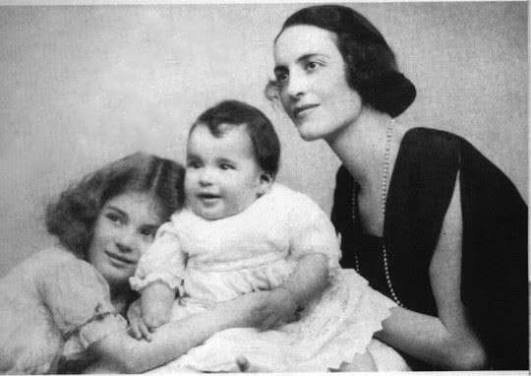
Here’s what you need to know about Xandra Carandini Lee, a British woman whose life was as intriguing as it was influential. Born Xandra Carandini Lee on 8 July 1917, she belonged to a family with noteworthy historical significance. The Carandinins were European nobility, with connections that spanned the cultural and political spectrum. More famously, Xandra was the elder sibling of actor Christopher Lee, renowned for his roles in film and theater. Despite living under her brother’s sizable shadow, Xandra made contributions of her own, particularly in maritime intelligence during World War II.
Early Life and Family
Xandra was born in England to Geoffrey Trollope Lee and Estelle Marie Carandini di Sarzano. Geoffrey was an accomplished soldier, while Estelle brought the lineage of the Carandinis and a rich tapestry of cultural heritage. Growing up, Xandra found herself in an environment that was both nurturing and intellectually enriching. Alongside her brother Christopher, Xandra was exposed to the arts and valuable life lessons that would shape her future actions and ambitions. What you might find interesting is that Xandra’s family hailed from an intricate web of ancestry, expressed not just in heraldry but also in the practical responsibilities of life.
Baptism and Childhood
Xandra was baptized on 3 August 1917 at St Paul, Wilton Place, London. Her childhood was steeped in an environment that valued knowledge and the classics, driving her curiosity from an early age. It’s crucial to note how this educational foundation broadened her perspectives, helping her understand the importance of information and methodical work—qualities that would significantly serve her later in the realm of Admiralty intelligence. Her upbringing was crucial in shaping her into a woman prepared to contribute beyond the domestic sphere.
First Marriage and Descendants
Her first marriage was to Roderick Walter. This union produced two children, though much of this part of her life remained private, keeping the details away from public interest. For anyone looking to honor family traditions while forging their own path, Xandra’s ability to balance family responsibilities with her aspirations offers a blueprint. It’s worth reflecting on how she managed both aspects without compromising the integrity of either.
Second Marriage and Title
Xandra’s second marriage to Sir Dermot Humphrey de Trafford on 22 December 1973 was notable not just for the union itself but for the position it placed her in society. This marriage resulted in her acquiring the title Lady Xandra Carandini de Trafford. Understanding the societal implications of such titles, and how Xandra would have navigated them, provides insight into her dual roles as both a public persona and a private individual. It depends on the context, but titles can carry both opportunities and obligations, something Xandra handled with grace.
Contribution During Wartime
During World War II, Xandra took on significant responsibilities in Admiralty intelligence. She was involved in intelligence activities including Operation Neptune, the intricate military operations linked to the D-Day landings. Here’s what you need to know: her efforts were integral and highly classified, continuing to remain unsung during her lifetime. For those of you examining the intricate workings of wartime logistics, her story offers a poignant reminder of the hidden heroes who play unrecognized yet critical roles in history’s pivotal moments.
Later Years and Death
In her later years, after her second marriage, Xandra lived quietly but remained connected to her family and past endeavours. She died on 12 December 2002 in Kingston upon Thames, Surrey, at the age of 85. These later years saw her reflecting on her diverse roles and appreciating the smaller moments in life. Her story provides a narrative of continuity and the seamless blending of past ambitions with present realities.
Legacy and Historical Impact
Although Xandra Carandini Lee’s narrative isn’t as widely known as other historical figures, her contributions during the wartime effort left an imprint that only later research has revealed. Her involvement in Operation Neptune and maritime intelligence showcased a life dedicated to service and commitment to duty. For those documenting family histories or researching wartime narratives, her life provides a crucial case study in balancing personal contributions with broader societal goals. Want to learn more about such historical narratives? You might explore genealogical records and family references.
Conclusion
Reflecting on Xandra Carandini Lee, her life is an exemplar of diverse roles and enduring influence. Her story serves as a form of historical insight, reminding us that individual responsibilities during pivotal times can have a profound collective impact. Her life, marked by dedication and service, offers lessons in balancing professional and personal duties, a balance that many of us strive for today. If you want to explore more stories like Xandra’s or perhaps learn about how individual family narratives fit into larger historical contexts, consider diving deeper into resources such as genealogical studies and historical archives. One useful resource for budding historians or those exploring entrepreneurial avenues in historical work might be Gen Business Lab, a platform offering insights into blending business with historical research.
Read Also: